Ways Electronic Waste Disposal Can Enable Businesses Go Green: Sustainable Solutions for Large Companies
Electronics recycling presents a critical chance for businesses seeking to enhance their environmental responsibility programs. By handling e-waste effectively, companies can decrease their ecological footprint and recover valuable materials. Additionally, adopting these practices can boost brand reputation among environmentally aware consumers. However, many organizations may miss the complexities associated with establishing a successful recycling plan. Comprehending these subtleties is vital for navigating the course towards more sustainable operations and achieving lasting benefits.
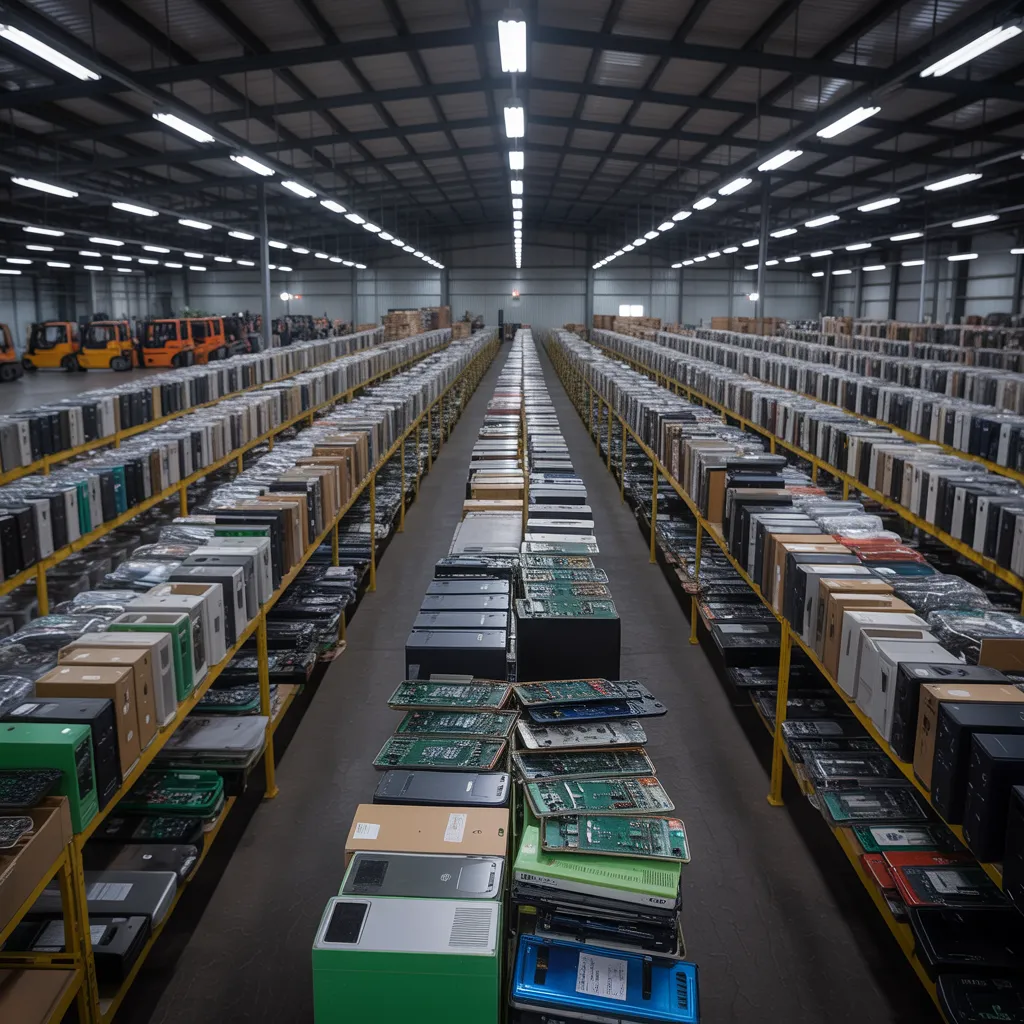
Why Electronics Reclamation Is Important for Businesses
Although many companies may underestimate the importance of electronics recycling, it serves as an essential factor in supporting sustainability and reducing environmental impact. As technological progress accelerates, companies frequently upgrade their electronic devices, resulting in a increasing volume of e-waste. Proper recycling guarantees that precious resources are retrieved, reducing the requirement for new material extraction and saving energy.
In addition, participating in electronics recycling can boost a company's reputation. Consumers increasingly favor businesses dedicated to sustainable practices, and demonstrating responsibility in managing e-waste can attract environmentally conscious customers. Adherence to regulations regarding electronic waste also protects businesses from potential legal liabilities and fines.
Moreover, recycling can yield monetary benefits. By responsibly disposing of obsolete electronics, companies can cut waste disposal fees and reclaim financial value from recyclable materials. Overall, promoting electronics recycling is not just an ethical choice; it is a strategic business decision that endorses modern sustainability goals.
Ways Electronics Reprocessing Minimizes Environmental Consequences
Electronics recycling functions as a vital role in reducing environmental consequences by preserving natural resources and limiting e-waste contamination. By reclaiming valuable materials, this approach supports the advocacy of circular economy principles. As enterprises participate in responsible recycling, they participate to a more sustainable future.
Protecting Natural Resources
Recycling electronics greatly aids the preservation of valuable materials by reclaiming valuable elements. Many electronic devices contain valuable metals such as gold, silver, and palladium, which are extractable and reusable. This process lowers the necessity of mining, a resource-heavy operation that drains ecosystems and uses significant energy. Moreover, recycling assists in recovering rare earth elements that are vital for manufacturing new technologies. By diverting electronic waste from landfills, businesses also diminish the environmental impact of resource extraction but also promote a circular economy. This sustainable habit allows companies to cut down on their carbon footprint, lower production presentation costs, and champion environmental stewardship, ultimately fostering a healthier planet for future generations. Through responsible recycling, businesses can pioneer conserving essential natural resources.
Minimizing E-Waste Environmental Impact
A large share of international waste contains electronic devices, leading to growing environmental pollution. When e-waste is disposed of improperly, it releases hazardous materials such as heavy metals and toxins that contaminate soil and water. Recycling electronics lowers these risks through the safe and responsible processing of harmful components. Recycling reuses materials such as metals, plastics, and glass, which reduces the need to extract new resources, thereby decreasing environmental damage. Recycling schemes also assist in the responsible disposal of obsolete devices, enabling businesses to meet environmental rules. By engaging in electronics recycling, companies not only lower their carbon footprint but also encourage a healthier ecosystem. This proactive approach shows corporate responsibility while tackling the pressing issue of e-waste pollution effectively.
Driving Regenerative Economy Practices
Adopting responsible e-waste recycling programs functions as a crucial component in advancing circular economy frameworks. By processing discarded electronics, enterprises can markedly reduce the requirement for virgin materials, thus safeguarding environmental capital and limiting environmental harm. This method supports the restoration of critical materials, increasing the operational duration of products and cutting down the quantity of electronic waste deposited in landfills. Moreover, by embracing sustainable business models, firms can strengthen their corporate reputation and meet consumer expectations for green practices. Prioritizing ethical waste management additionally catalyzes creativity in product engineering, prompting manufacturers to produce devices that are more feasible for disassembly and reprocessing. In conclusion, weaving e-waste recycling into company strategy facilitates a greener world, helping both the natural world and the economy.
Main Advantages of Electronics Recycling for Enterprises
Electronics recycling delivers major benefits for businesses, chiefly through expense reduction and environmental impact reduction. By correctly recycling outdated equipment, firms can lower disposal costs and recover valuable materials. Furthermore, implementing waste management solutions improves corporate responsibility and encourages green initiatives.
Cost Reduction Opportunities
Numerous organizations are identifying significant savings through efficient electronics recycling initiatives. By implementing these efforts, companies can reduce costs associated with e-waste, as recycling tends to cost less than landfill disposal. Beyond that, precious materials recovered from old electronics can be resold, generating revenue and compensating for replacement costs. Optimized recycling processes also minimize storage costs for aged equipment, freeing up valuable office space. Furthermore, several organizations enjoy from tax incentives related to eco-friendly practices, presenting another dimension of financial advantage. Overall, adopting electronics recycling not only promotes corporate responsibility but also fosters economic efficiency, enabling businesses to allocate resources more wisely and improve their bottom line.
Environmental Impact Reduction
A considerable decrease in ecological impact is one of the key strengths enterprises enjoy when they initiate systematic device recycling programs. By recovering useful equipment, businesses can suppress dangerous contaminants, such as toxic elements and harmful substances, that can infiltrate terrestrial and aquatic ecosystems. This not only supports the preservation of natural assets but also reduces the emissions footprint resulting from making fresh equipment. Additionally, managing decreases energy demands, as it often requires reduced operational energy to refine recovered substances than to mine and process primary resource stocks. As organizations roll out these systems, they foster circular production models, encouraging ecological conservation and responsibility. Ultimately, responsible waste management facilitates organizations to enhance environmental standing while helping the natural world.
How to Formulate a High-Performing Electronics Recovery System
Developing a productive electronics recycling approach necessitates careful planning and completion. Businesses should commence by examining their present e-waste disposal methods to identify zones for improvement. This evaluation should include an inventory of outdated machines and an assessment of waste removal techniques.
Next, companies must establish distinct objectives for their recycling efforts, which could include reducing waste, improving recycling percentages, or boosting environmental initiatives. Involving staff through training sessions fosters a culture of environmental responsibility and promotes involvement in waste management programs.
Additionally, developing a schedule and financial allocation is important for monitoring progress and guaranteeing resources are allocated effectively. Regularly assessing and revising the plan based on suggestions and changing regulations helps preserve compliance and success. By integrating these elements, companies can develop a strong electronics recycling program that not only benefits the environment but also promotes corporate responsibility and improves their sustainable image.
Ways to Identify the Best Electronics Recycling Collaborator
What approach can a company take to ensure its e-waste disposal partner aligns with its environmental objectives? Choosing an appropriate recycling partner necessitates thorough evaluation of their operations and certifications. Organizations should identify partners that hold established certifications, including R2 or e-Stewards, which confirm adherence to sustainability standards.
Additionally, entities should question about the partner's waste recycling methods, including the ways to manage hazardous materials and the percentage of recycled materials relative to those directed to landfills. Honesty in reporting and data management practices is also imperative.
In addition, a strong standing in the industry can be indicative of reliability; businesses may gain advantages from reviews and testimonials from other clients. Engaging in open communication about sustainability goals will help ensure coordination. Ultimately, selecting a partner dedicated to responsible waste management can greatly enhance a corporation's overall green initiatives.
Dispelling Widespread False Beliefs Regarding Electronics Recycling
Many firms recognize the necessity of electronics recycling, yet numerous myths continue that can limit successful practices. A widespread misconception is that all electronics may be discarded in common recycling bins. In fact, specialized facilities are essential to treat electronic waste safely. Another myth claims that recycling electronics is too costly for businesses. Actually, numerous recycling programs deliver free or low-cost services that can in the long run save companies money by reducing waste disposal fees. Furthermore, some believe that concerns about data security make recycling too hazardous. Nevertheless, reputable recycling partners deliver certified data destruction services, ensuring that sensitive information is securely handled. Finally, some hold the idea that recycling electronics has a small environmental impact. In truth, proper recycling substantially reduces e-waste in landfills and preserves valuable resources. Debunking these myths is crucial for businesses trying to adopt sustainable practices and contribute positively to the environment.
Assessing Your Electronics Recycling Success
Firms that successfully refute misconceptions about electronics recycling often find themselves keen to measure their headway. Tracking KPIs is critical for evaluating the performance of recycling initiatives. Metrics such as the volume of e-waste recycled, the fraction of materials salvaged, and monetary savings can provide worthwhile insights.
Additionally, businesses should assess their carbon footprint reduction and conformity with eco-friendly regulations. Mobilizing employees through educational campaigns can also be quantified by engagement rates in waste reduction initiatives.
Incorporating customer input can further enhance comprehension of the recycling program's impact. Regular reviews and reporting on these measurements not only highlight successes but also pinpoint areas for improvement.
Ultimately, an orderly approach to measuring electronics recycling success facilitates businesses to make data-driven decisions, nurturing a culture of sustainability that aids both the environment and the organization.
Frequently Requested Questions
What Categories of Electronics Can Be Reprocessed?
Many kinds of electronics can be reused, such as computers, smartphones, tablets, televisions, printers, and gaming consoles. These items often have precious resources that can be reused, reducing waste and promoting environmental conservation.
How Often Should Organizations Recycle Their Electronics?
Enterprises should refurbish and recycle their electronics minimally once per year, or with greater frequency contingent upon technology enhancements and operational changes. Consistent recycling programs guarantees efficient resource management and adherence to environmental regulations, promoting sustainability within the organization.
Are There Expenses Associated With Electronics Recycling?
Yes, there are expenses associated with electronics reclamation, such as collection, transportation, and processing costs. However, these expenses can be offset by potential gains from decreased waste disposal and compliance with environmental regulations.
Could Recycling Electronics Cause Data Security Risks?
Yes, recycling electronics can introduce protection vulnerabilities if proper procedures are not complied with. Proprietary data may be unintentionally exposed during the e-waste handling, showing the importance of secure data destruction techniques before disposal.
What Licenses Ought a Recycling Partner to Carry?
A established recycling partner should obtain credentials such as R2, e-Stewards, and ISO 14001. These accreditations confirm conformity with environmental standards, information protection measures, and ethical disposal methods, protecting both the environment and sensitive information.